Google is taking a major experimental step toward putting AI computing infrastructure in space.
The company first announced Project Suncatcher in November 2025 as a long-term research project exploring whether solar-powered satellites equipped with Google's Tensor Processing Units (TPUs) could eventually provide large-scale machine-learning computing in orbit. Now, nearly a year later, the project is moving from research on Earth to an actual orbital test. Google says a prototype satellite is scheduled to launch on the upcoming Transporter-18 rideshare mission with SpaceX, giving the company its first opportunity to study how its AI hardware performs in real space conditions.
What's Launching, and Why Now?
The current mission is not a full commercial space data center. It is an early experimental mission designed to collect real-world data.
The prototype satellite was developed in partnership with Planet and will carry Google TPU hardware into low Earth orbit. The goal is straightforward but technically difficult: determine whether AI chips can survive and operate reliably during launch and under the extreme conditions of space.
On Earth, AI data centers require enormous amounts of electricity and sophisticated cooling systems. As AI workloads continue to grow, Google is investigating whether space could eventually provide another location for large-scale computing.
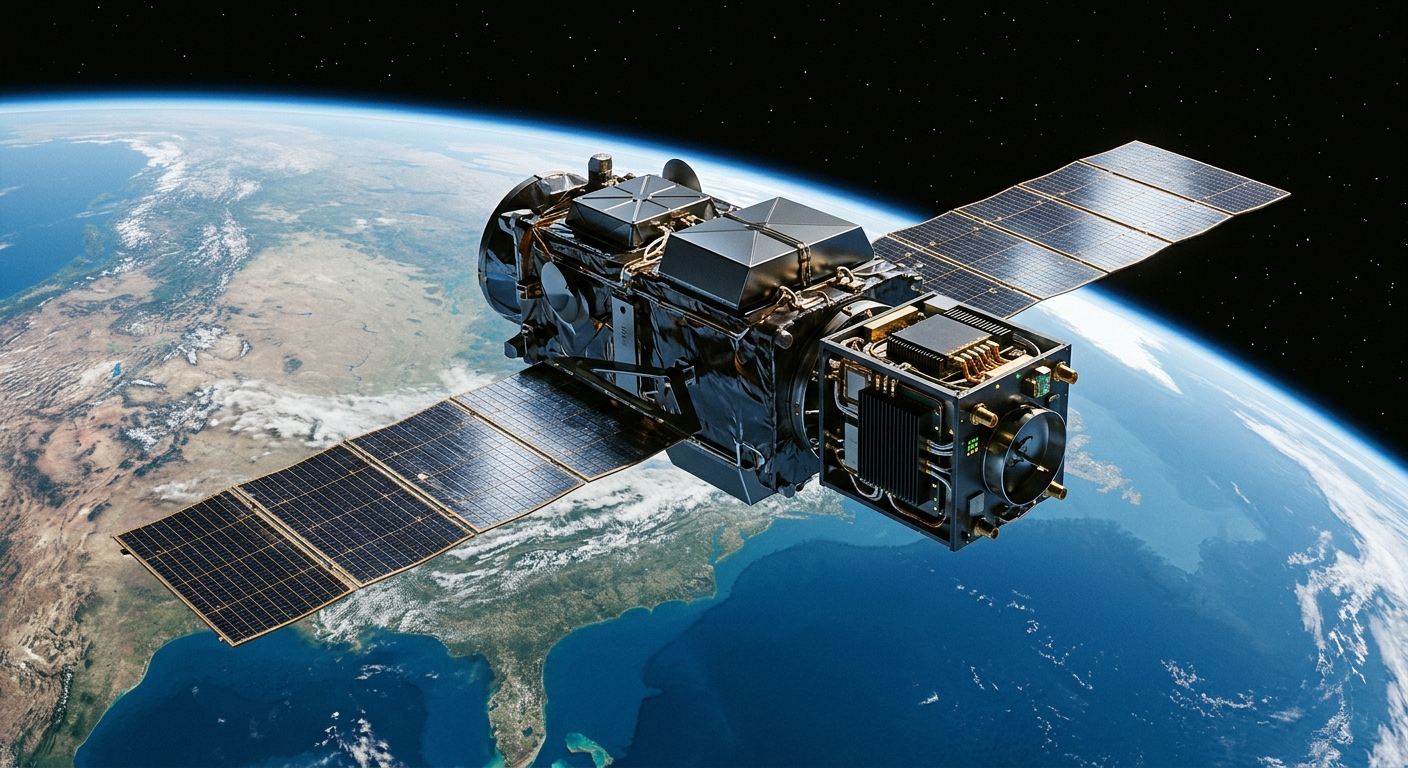
In low Earth orbit, satellites can receive near-constant sunlight and, according to Google, could potentially generate up to eight times more solar power than comparable solar installations on Earth over a year. That abundant solar energy is one of the reasons Google believes space could eventually become an interesting environment for AI computing.
The Science: Sunlight, Radiation, and Heat
Putting AI hardware into orbit creates several engineering challenges.
Radiation
Space exposes electronics to radiation from solar events and cosmic rays. These particles can interfere with computer hardware and cause errors known as bit flips.
Google has already performed radiation testing on its Trillium TPUs at the University of California, Davis's Crocker Nuclear Laboratory. During those tests, the TPUs were exposed to a proton beam while running AI workloads.
Google says its initial results were encouraging: the Trillium TPUs survived a total ionizing radiation dose greater than what they would be expected to receive during a five-year space mission. However, laboratory testing cannot completely replace a real orbital test. The upcoming mission will allow Google to collect data under actual space conditions.
Cooling in Space
Cooling may be one of the biggest challenges.
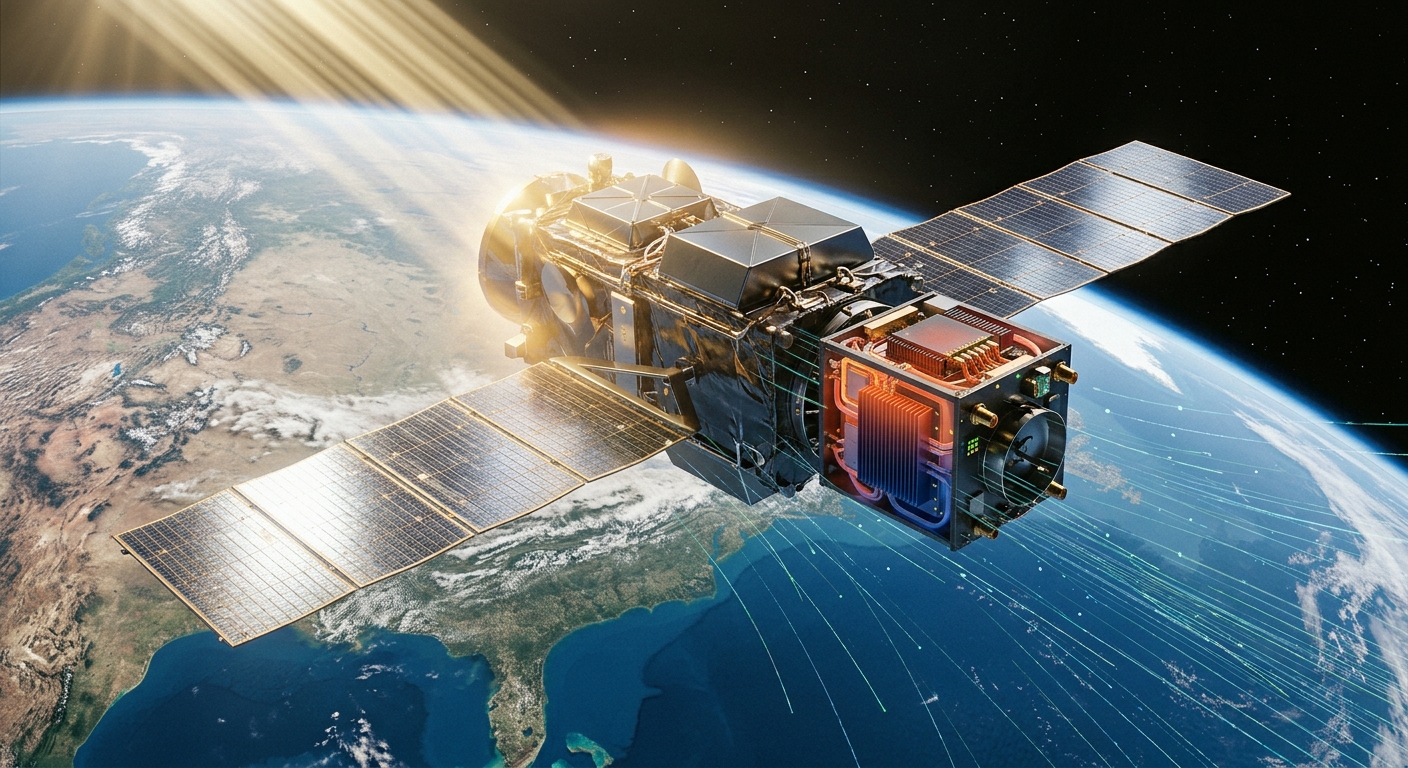
On Earth, data centers can use airflow and other cooling systems to move heat away from computer chips. In space, there is no air in the vacuum, so conventional airflow-based cooling does not work.
Google is therefore testing a different approach using heat pipes and radiators. The heat generated by the TPUs must be transported away from the chips and then released through radiators.
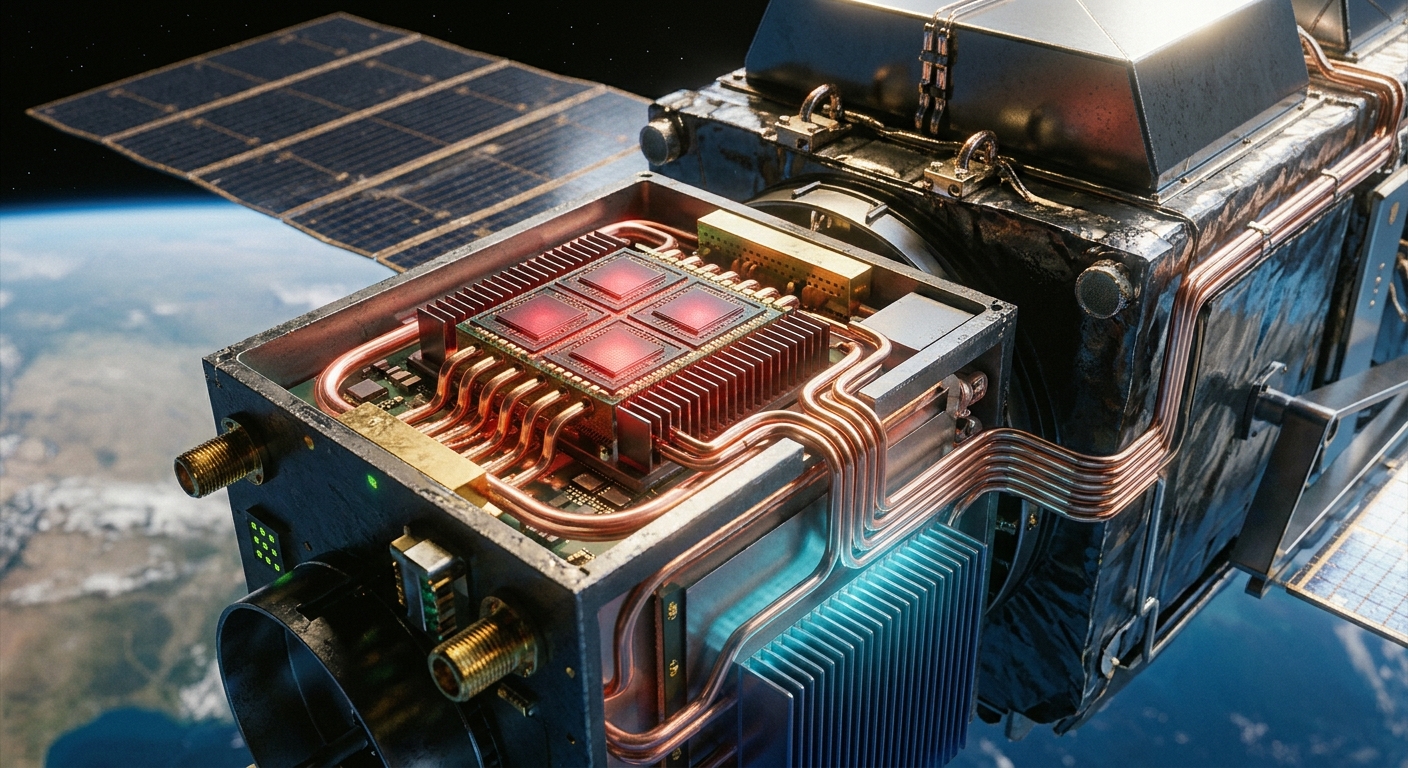
The company has already tested its cooling technology inside a thermal-vacuum chamber designed to simulate the conditions of space. The upcoming orbital mission will show how well that system performs in a real environment.
Surviving the Rocket Launch Is Another Challenge
The hardware must survive more than just space.
A rocket launch creates intense vibration and acceleration. Google says the spacecraft can experience sustained acceleration loads of up to around 10 times Earth's gravity, while individual components such as TPU chips can experience even higher forces.
To prepare, Google's engineers performed vibration tests on the satellite across all three axes to simulate the conditions of a rocket launch.
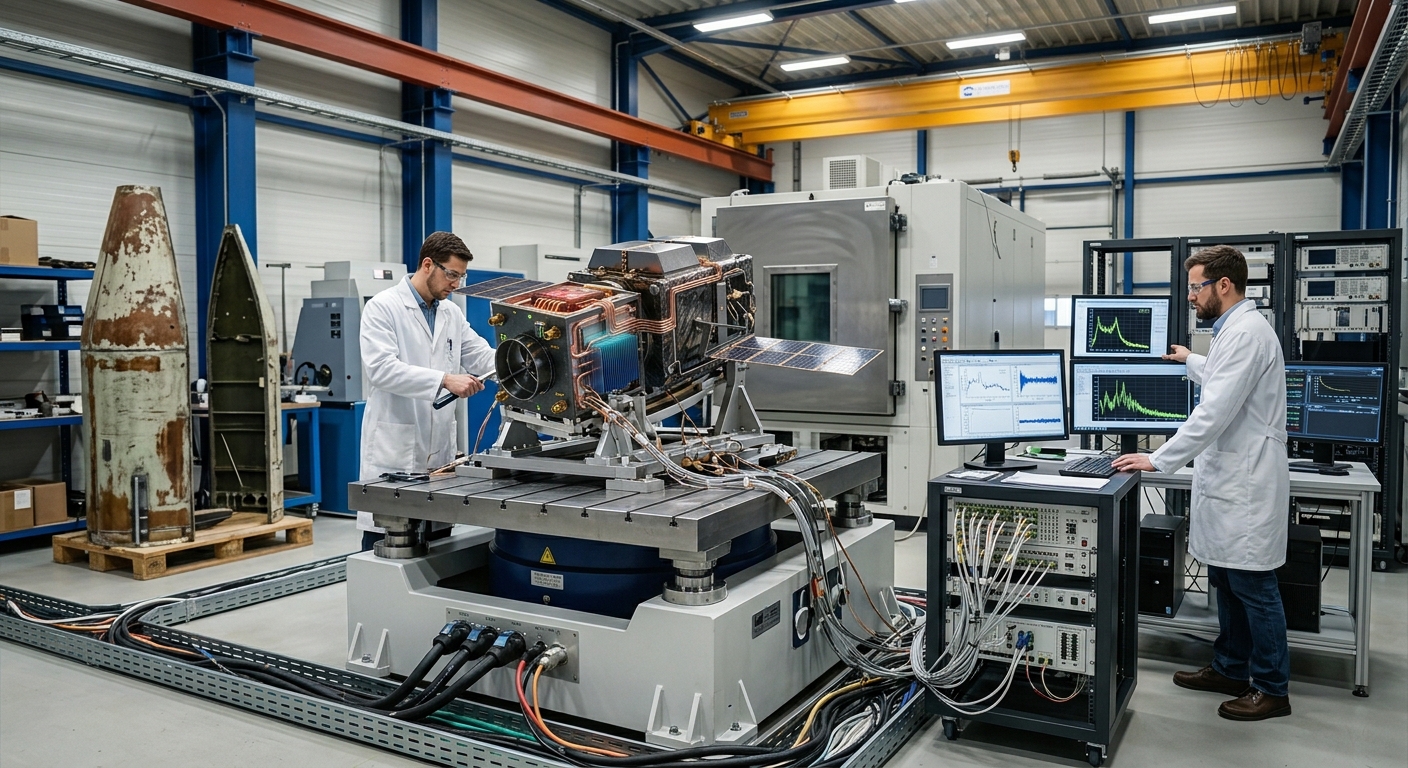
The real mission will provide another important test: whether the hardware that survived laboratory simulations can continue operating after being launched into orbit.
The Bigger Plan: Connecting AI Satellites
The long-term vision goes far beyond one satellite.
Google is exploring a future in which multiple satellites could work together as an interconnected computing system. Future satellite designs could carry dozens of TPU chips, with groups of satellites communicating with one another while orbiting Earth.
That communication is critical. If satellites are going to work together on large AI workloads, they need extremely fast connections.
Google plans to investigate high-bandwidth laser communication between satellites in a future test involving two satellites in 2027. The challenge is significant because the satellites will be moving rapidly while trying to maintain extremely precise laser links with one another.
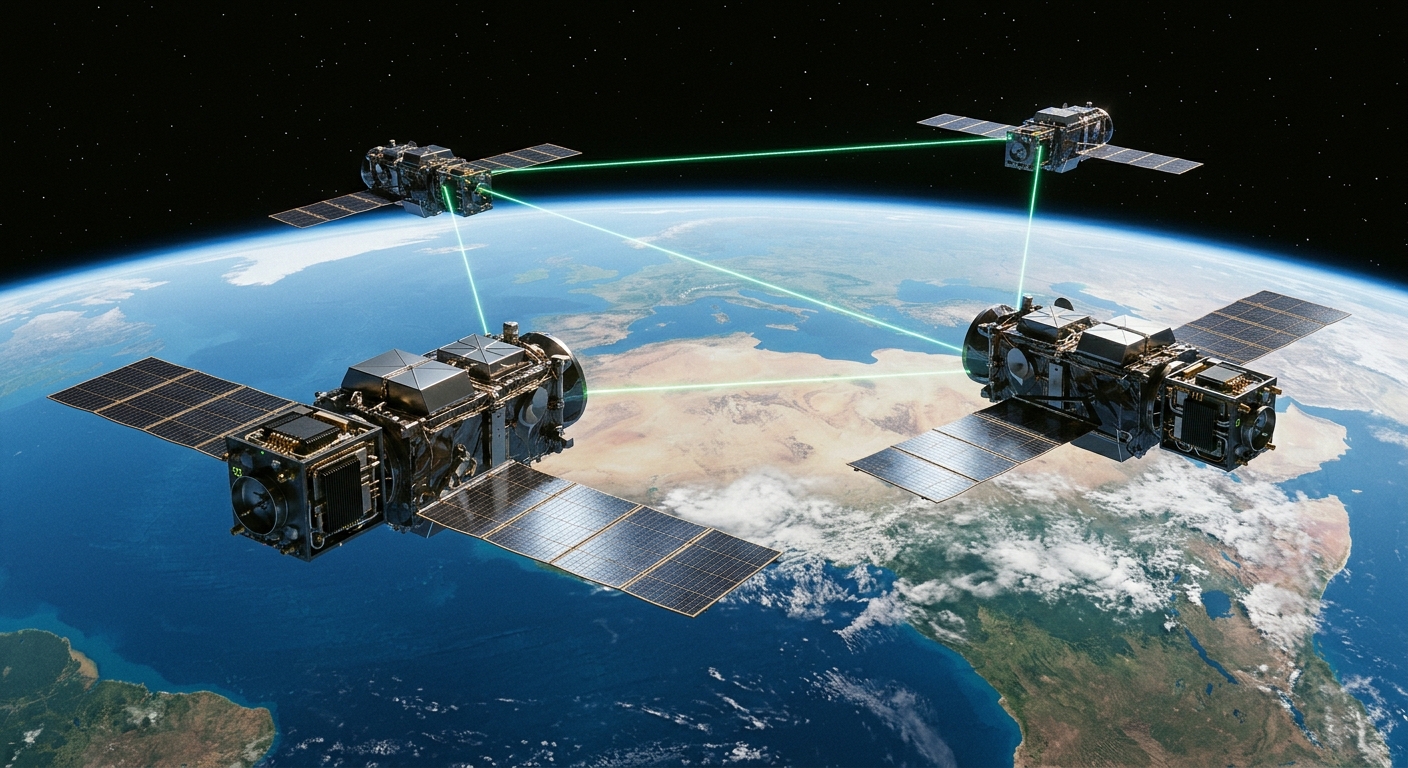
If successful, this approach could eventually allow multiple satellites to function more like a distributed AI computing system rather than isolated machines.
This Is Still Early Research
Despite the futuristic idea, Google is careful to describe Project Suncatcher as a long-term research moonshot, not a ready-to-use commercial data center in orbit.
The first mission is primarily about learning.
Google wants to discover what works, identify unexpected failure points, understand how its hardware behaves under real radiation and thermal conditions, and use those findings to improve future designs.
That distinction is important. Google is not putting a giant AI data center in space yet. It is testing whether the basic technology required for such a future is technically feasible.

What Happens Next?
The upcoming orbital test is only the beginning.
The immediate goal is to see how Google's TPU hardware performs after launch and during operation in space. The next major milestone is planned for 2027, when Google intends to test two satellites and their high-bandwidth laser communication system.
If those experiments succeed, they could provide valuable evidence for a much bigger question:
Could future AI infrastructure eventually operate beyond Earth?
For now, Project Suncatcher remains an experiment. But it represents a fascinating shift in how technology companies are thinking about the future of AI computing — not just building bigger data centers on Earth, but exploring whether some of that computing could one day move into orbit.
Sources
Google, Project Suncatcher announcement — November 4, 2025
Google, “Behind Project Suncatcher, our moonshot to put AI in space” — September 24, 2026
Google Research, Project Suncatcher research materials