Introduction
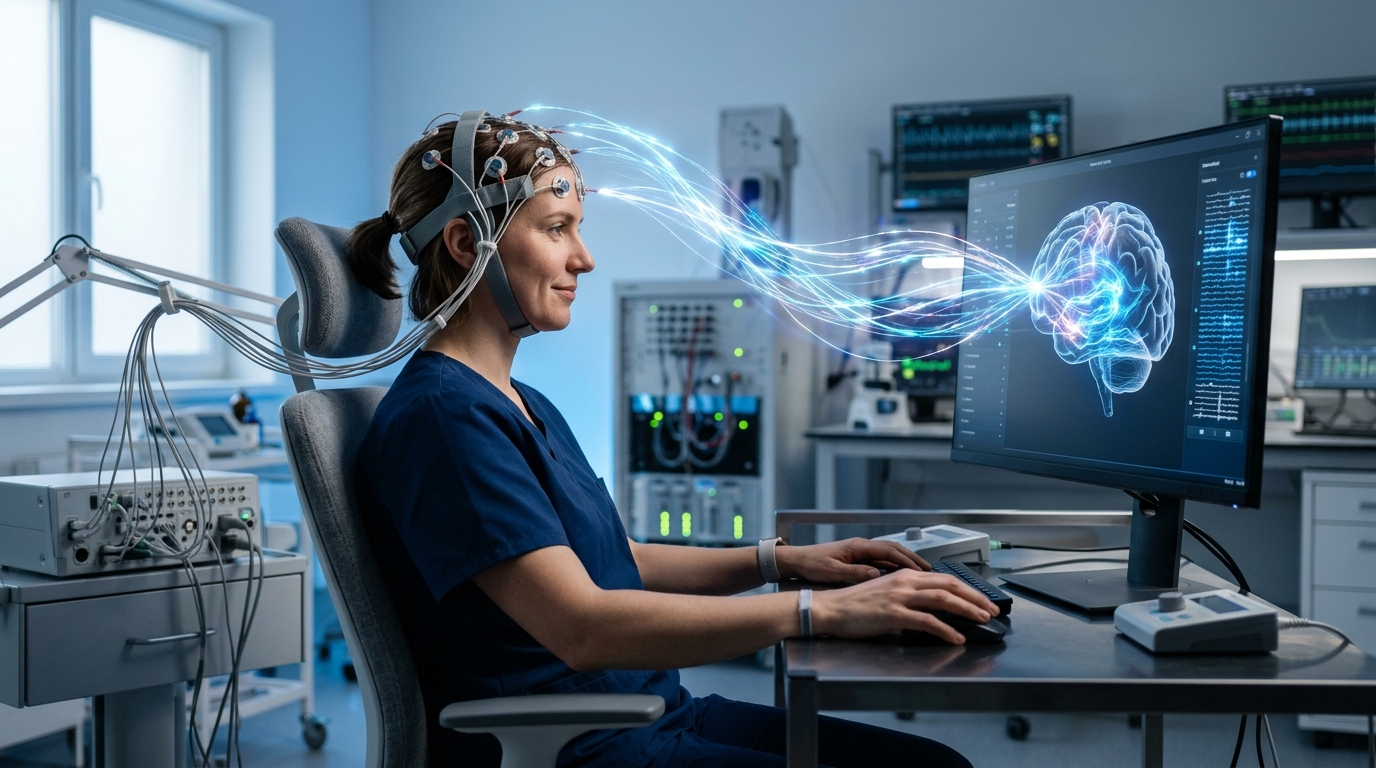
Neuralink's brain implant technology has once again attracted widespread attention after reports and videos showed a patient with severe speech impairment using a brain-computer interface to communicate.
The idea sounds almost like science fiction: a person who cannot physically speak thinks about words, a brain implant detects the related neural activity, and artificial intelligence turns those signals into spoken language.
But there is an important difference between what has actually been demonstrated and what viral headlines sometimes suggest.
Neuralink is developing an experimental brain-computer interface (BCI) designed to allow people with severe neurological disabilities to interact with computers using neural signals. Its newer VOICE trial is specifically focused on communication and speech restoration. The technology is still being tested in clinical research, which means it is not yet a commercially available replacement for natural speech.
Official source: https://neuralink.com/
So, what is real, what is still experimental, and where does the viral hype begin?
What Is Neuralink Actually Testing?
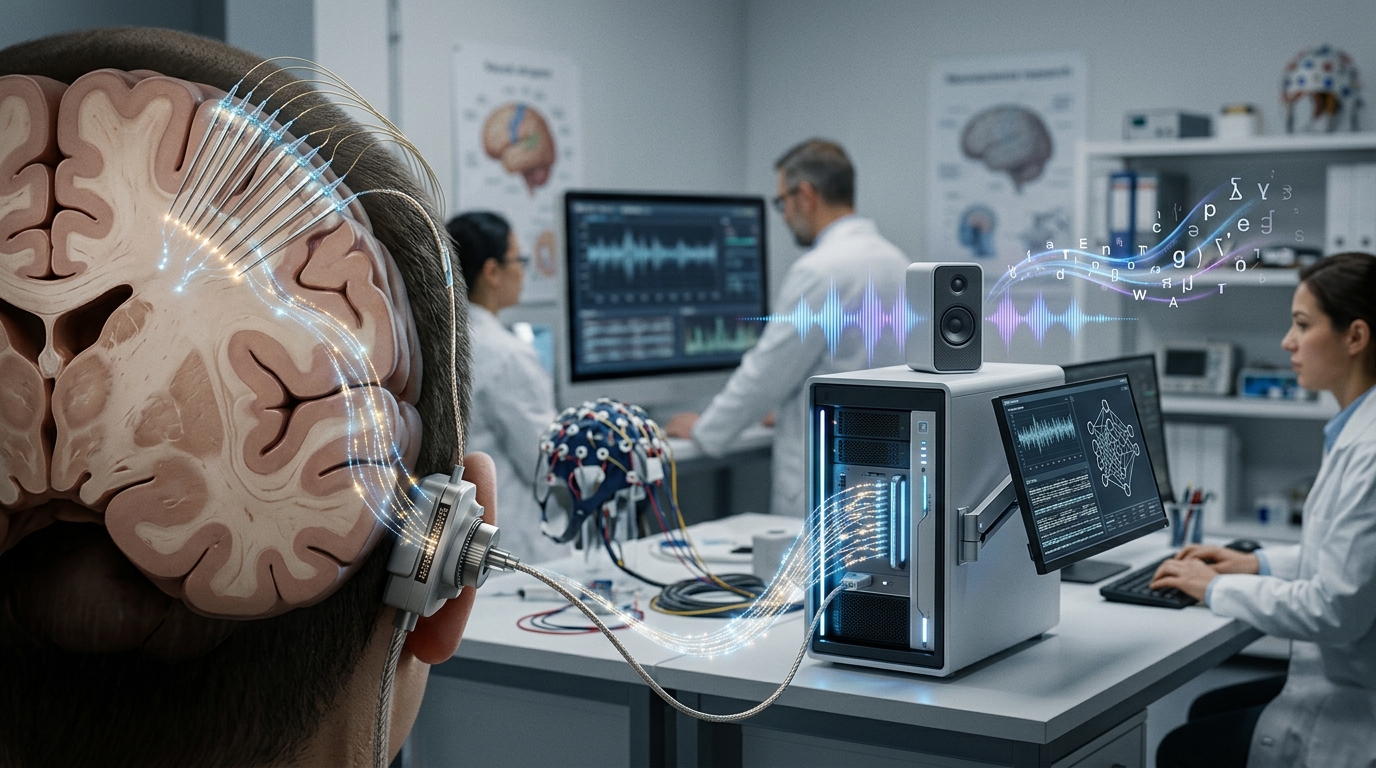
Neuralink's technology uses a small implant containing many electrodes that record activity from the brain.
The basic idea is relatively straightforward:
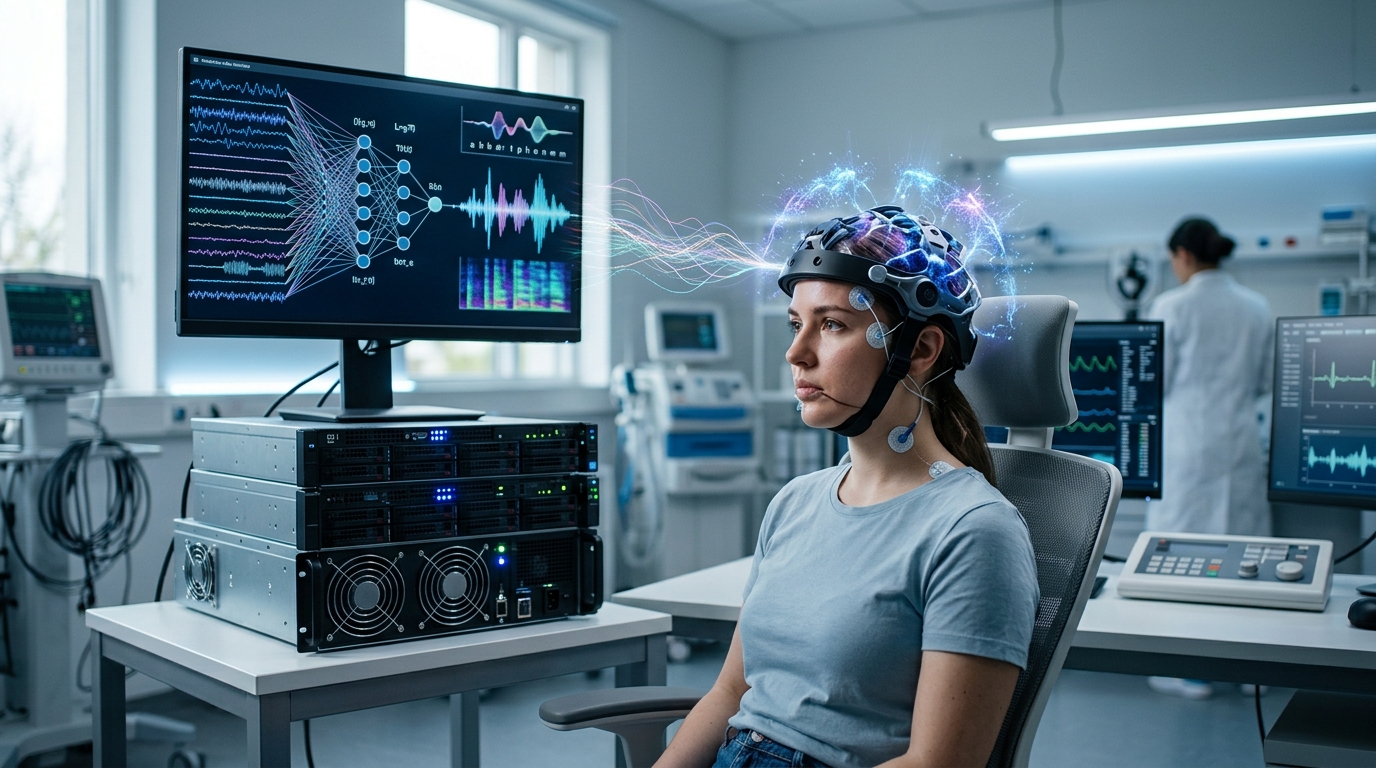
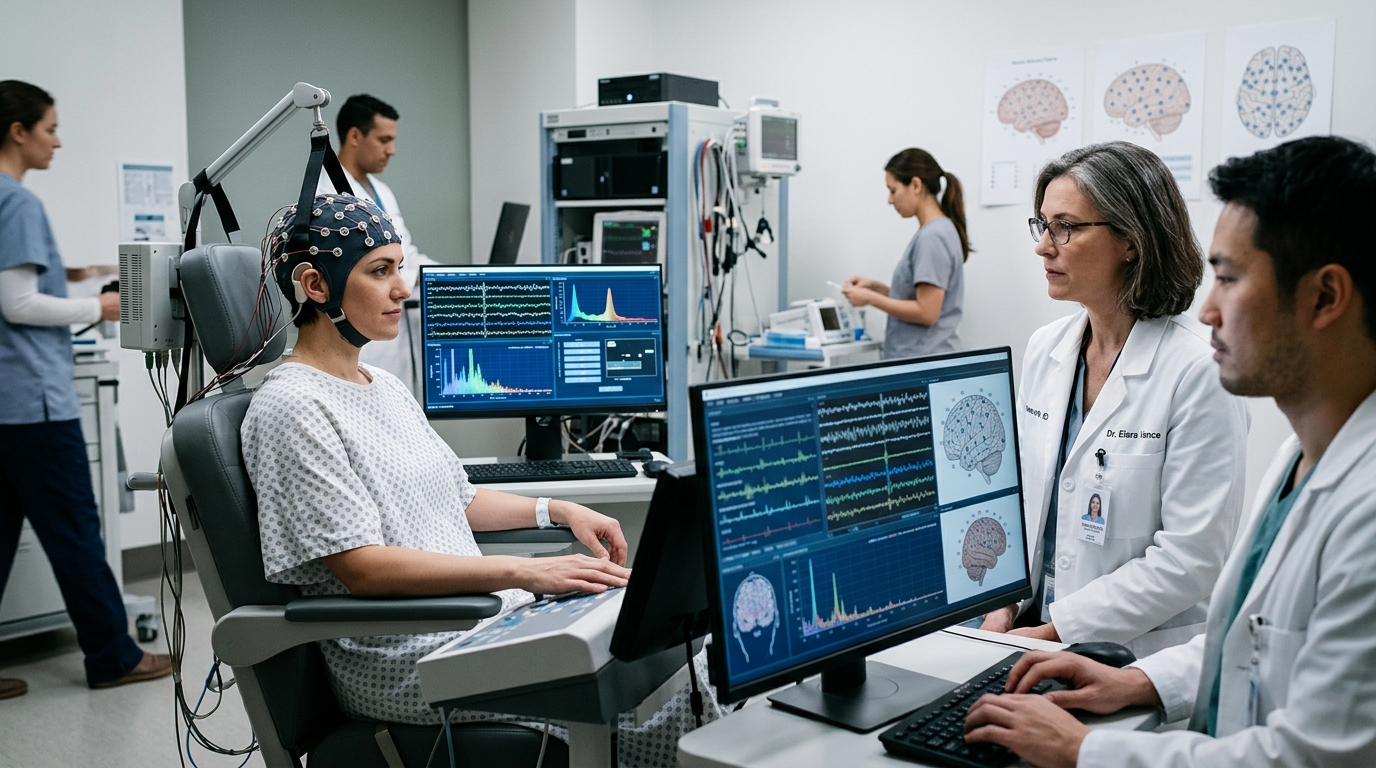
Brain activity → neural signal → AI decoding → text or synthesized speech
The implant does not simply "read someone's mind" in the way that phrase is often used online.
Instead, researchers train algorithms to recognize patterns of neural activity associated with a person's attempted movements, communication, or speech.
For someone who has lost the ability to speak because of paralysis or another neurological condition, the person may still be able to imagine or attempt speaking internally. A BCI can attempt to detect those patterns and translate them into a form that a computer can understand.
Neuralink's earlier PRIME trial has focused primarily on helping people with paralysis control digital devices through neural signals. The company has since expanded its research toward communication and speech applications.
What Is the Neuralink Speech Trial?
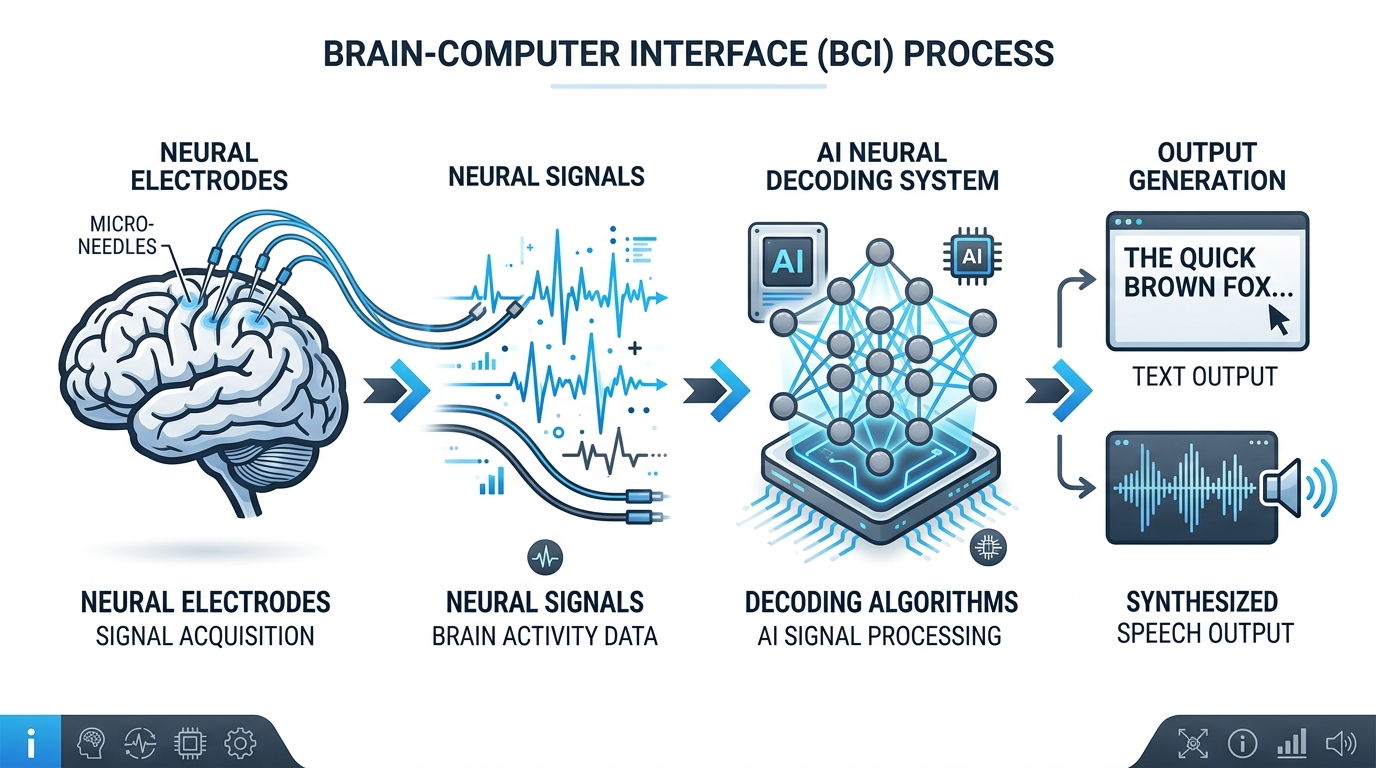
Neuralink's speech-focused research is being conducted through a clinical study known as VOICE.
The study is intended for adults with severe speech impairment and impaired upper-limb function associated with conditions such as ALS, stroke, or spinal cord injury.
Clinical-trial information lists the Neuralink N1 Implant and its surgical robotic system as the experimental intervention. The study is designed as an early feasibility study, with safety and procedure-related outcomes among its primary measures.
That wording is important.
This is not a finished consumer product.
It is an early-stage clinical investigation.
Because this is an early feasibility study, researchers still need to evaluate safety, reliability, communication performance, and long-term stability across participants.
Official clinical-trial source: ClinicalTrials.gov.
The Viral Claim: "Neuralink Lets a Paralyzed Person Speak"
This is where things become more complicated.
Videos and social-media posts can make the technology appear as if the implant simply allows someone to think a sentence and immediately speak it aloud.
The reality is more technical.
A brain-computer interface must first detect neural activity. An AI system then interprets that activity and estimates what the person is attempting to communicate.
If the output is converted into speech, another speech-generation system can turn the decoded information into audible words.
That means the final voice heard by the listener may be produced by multiple stages of technology, rather than directly coming from the person's brain.
This distinction matters because a fluent synthetic voice can make the entire system look more accurate than the underlying neural decoding alone may be.
What Has Already Been Proven?
The broader field of brain-computer interfaces has already demonstrated that brain signals can be used to reconstruct speech.
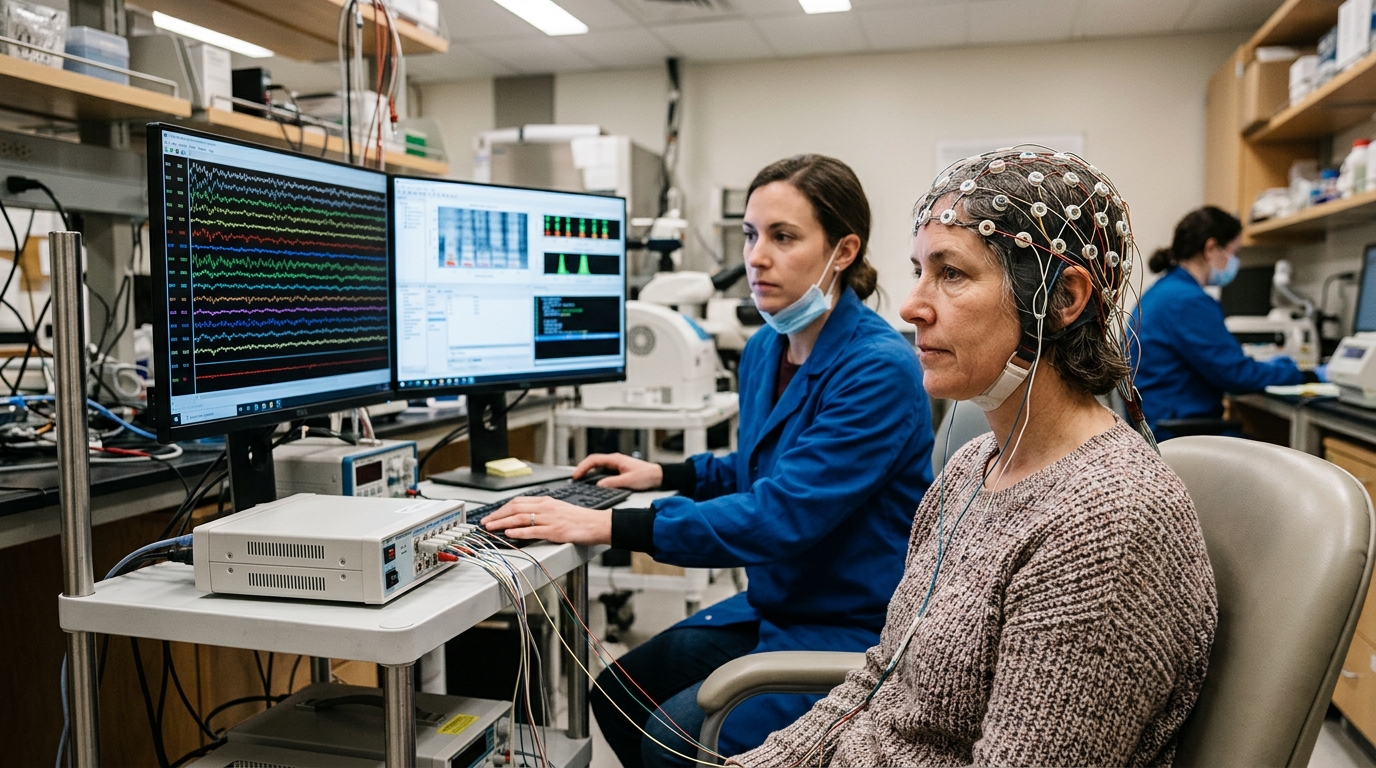
In 2025, researchers supported by the U.S. National Institutes of Health reported a brain-to-voice system involving a 47-year-old woman who had been unable to speak for 18 years after a stroke.
She silently attempted to speak while electrodes recorded activity from brain regions associated with speech. An AI system translated the neural activity into speech in approximately 80-millisecond increments, allowing near-synchronous voice generation.
This research is important because it demonstrates that brain activity can be translated into relatively natural speech in a person who has lost the ability to speak.
However, that study was not a Neuralink trial.
This is one of the biggest points that gets lost in viral discussions.
There are multiple research groups developing brain-computer speech technology, and results from one system should not automatically be presented as results from another.
Official source: National Institutes of Health (NIH) — Brain-computer interface restores natural speech after paralysis.
Fact vs. Viral Hype
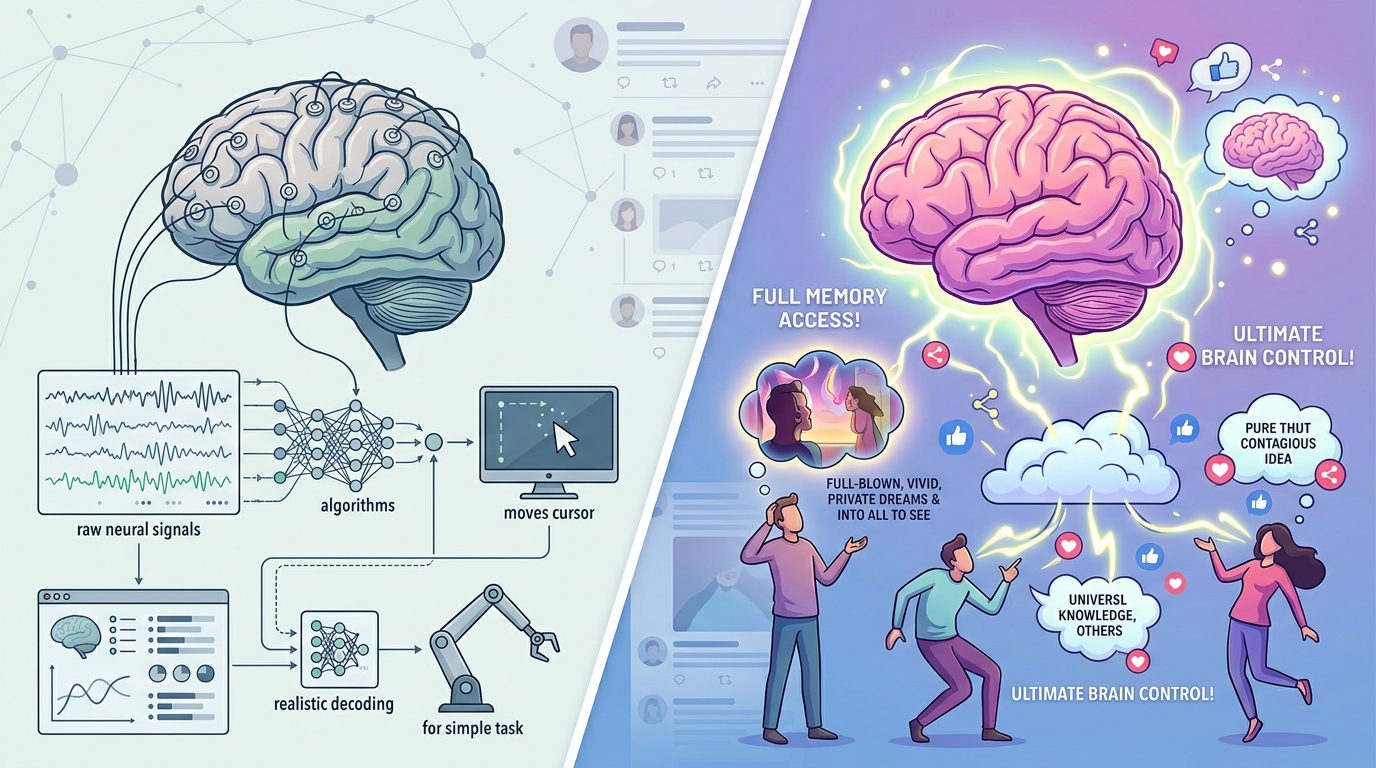
FACT: Brain implants can decode aspects of attempted speech
This is no longer purely theoretical.
Research has demonstrated that neural activity can be converted into text or synthesized speech in people who have lost the ability to speak.
Neuralink is also conducting clinical research specifically related to communication and speech.
HYPE: "Neuralink can read your thoughts"
This description is misleading.
The technology is not a universal mind-reading machine.
Researchers train decoding systems around specific neural patterns and communication tasks.
There is a huge difference between:
"The system can decode some attempted speech."
and:
"The implant can read everything you are thinking."
The second claim goes far beyond what current clinical evidence demonstrates.
FACT: AI plays an important role
The implant does not independently understand English sentences.
The recorded neural activity is processed by computational models that attempt to map neural patterns to intended communication.
Modern AI can make this process significantly more useful by recognizing patterns, predicting likely sequences and generating natural-sounding speech.
In other words, the impressive result is not simply the implant.
It is the combination of:
Neural electrodes + signal processing + machine learning + language models + speech synthesis
HYPE: "A person can speak normally again"
That statement needs qualification.
The goal of speech BCIs is to restore communication, but current systems remain experimental.
Performance can depend on the individual, the neural signals available, training, the decoding model and other factors.
For example, a 2026 Nature Medicine study also demonstrated long-term independent use of an implanted speech BCI.
That is a useful reminder that these systems are not simply "plug in the implant and talk normally."
There Are Still Major Challenges
The technology is promising, but several important problems remain.
1. Accuracy
A speech system needs to distinguish between what someone intended to say and what the algorithm thinks they intended to say.
2. Individual Differences
Every brain is different.
Neural signals vary between people, meaning a model trained for one participant cannot simply be expected to work perfectly for another.
3. Long-Term Stability
Brain signals can change over time.
Researchers therefore need to determine whether an implanted system can continue working reliably months or years after surgery.
4. Surgery and Safety
Unlike a normal smartphone or wearable device, a brain implant requires surgery.
The VOICE clinical study specifically lists device- and procedure-related adverse events among its primary safety outcomes.
This is why calling the technology a finished consumer product would be premature.
What Does FDA "Breakthrough Device" Mean?
Another point that can easily be misunderstood online is the FDA's Breakthrough Device designation.
Reports in 2025 said Neuralink's speech-related technology had received this designation.
But "Breakthrough Device" does not mean that the FDA has approved the technology as a normal medical product.
The FDA explains that the Breakthrough Devices Program is intended to provide additional interaction and prioritized review for certain devices addressing serious or life-threatening conditions.
So:
Breakthrough designation ≠ full approval
This distinction is extremely important when reading viral headlines.
Official source: https://www.fda.gov/
Is Neuralink the Only Company Working on Brain-to-Speech Technology?
No.
Brain-computer interfaces are being developed by multiple research institutions and companies.
For example, researchers at UC San Francisco and UC Berkeley demonstrated near-synchronous brain-to-voice communication in 2025.
Other companies, including Synchron, are also developing implanted brain-computer interfaces for people with neurological disabilities. Reuters reported that Synchron is pursuing related communication and computer-control applications.
This means Neuralink is part of a much larger scientific field.
The Biggest Misunderstanding: "Thought-to-Speech" Does Not Mean "Everything in Your Mind"
The phrase "thought-to-speech" sounds dramatic.
But researchers generally work with specific signals associated with intended communication.
Imagine silently trying to say:
"I want some water."
The system attempts to identify neural patterns associated with that attempted speech.
It does not mean that the implant automatically knows everything else you are thinking about.
This distinction becomes especially important as BCIs become more advanced.
Future systems may become capable of decoding increasingly complex information, but each capability has to be demonstrated scientifically rather than assumed from a viral video.
The Future of Brain-to-Voice Technology
The long-term potential of brain-to-voice technology is significant, but many technical and clinical challenges remain
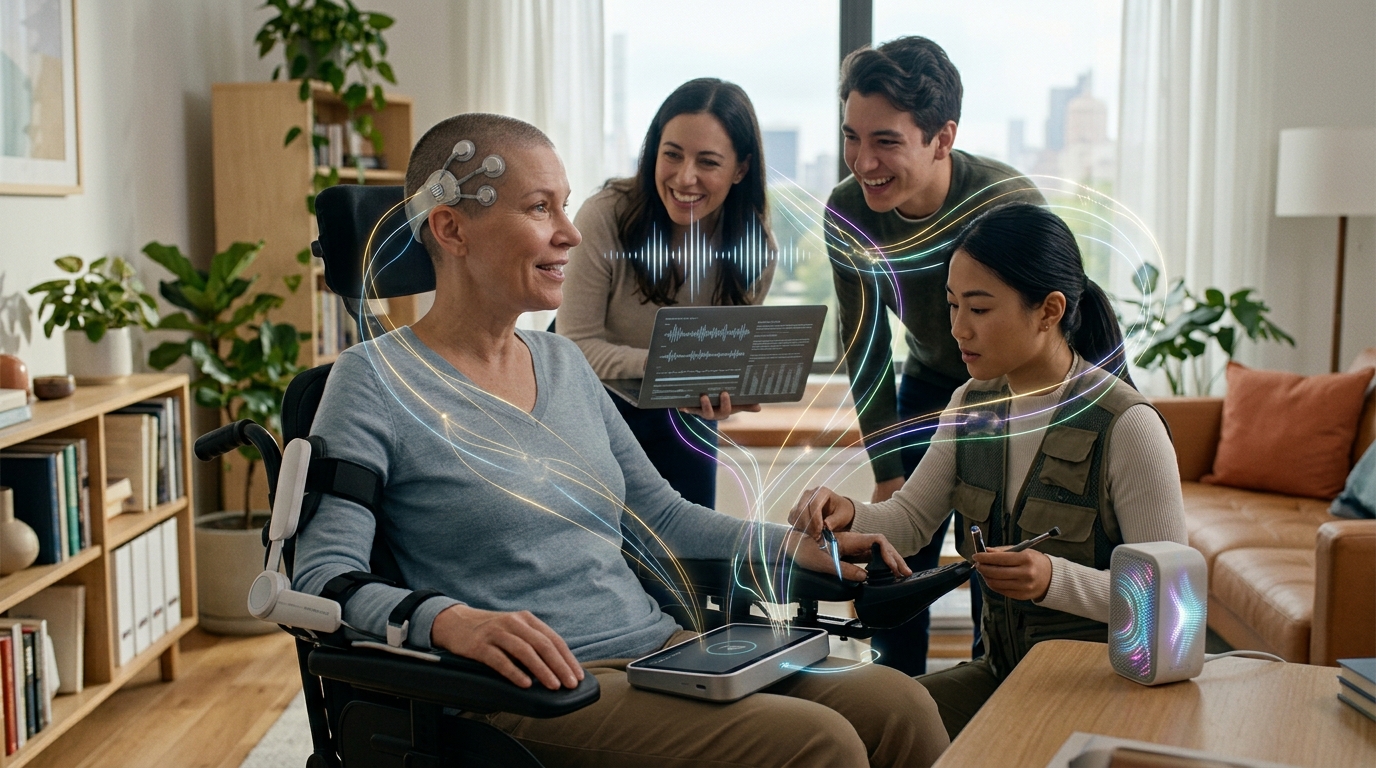
Imagine a person who has lost the ability to speak being able to communicate without typing one letter at a time.
Imagine a system that recognizes attempted speech quickly enough for a normal conversation.
Imagine the system generating speech in a familiar voice.
And eventually, imagine combining brain-computer interfaces with increasingly capable AI language models.
That combination could make assistive communication dramatically more powerful.
But reaching that future requires more than impressive demonstrations.
Researchers need to solve difficult problems involving accuracy, safety, reliability, privacy, long-term implantation and ethical use.
What the Evidence Shows: Promising Technology, But Still Experimental
The Neuralink speech trial is a significant development in the growing field of brain-computer interfaces.
The underlying concept is real: researchers can record brain activity associated with attempted speech and use AI to convert those signals into communication.
But the viral version of the story is often much simpler:
"Man thinks → Neuralink reads thoughts → AI makes him talk."
The real technology is considerably more complicated.
It involves an implanted device, neural signal processing, machine-learning models and potentially speech-generation systems working together.
And most importantly, Neuralink's speech technology remains in the clinical-research stage.
The right way to look at these demonstrations is neither to dismiss them as fake nor to treat them as proof that science fiction has already arrived.
They are evidence of how quickly brain-computer interfaces are developing — and a sign that the boundary between the human brain and digital technology is becoming increasingly sophisticated.
For people who have lost the ability to speak, that progress could eventually be life-changing.
For everyone else, it is a reminder that the most important part of a viral technology story is not how impressive the video looks.
It is what the underlying evidence actually shows.